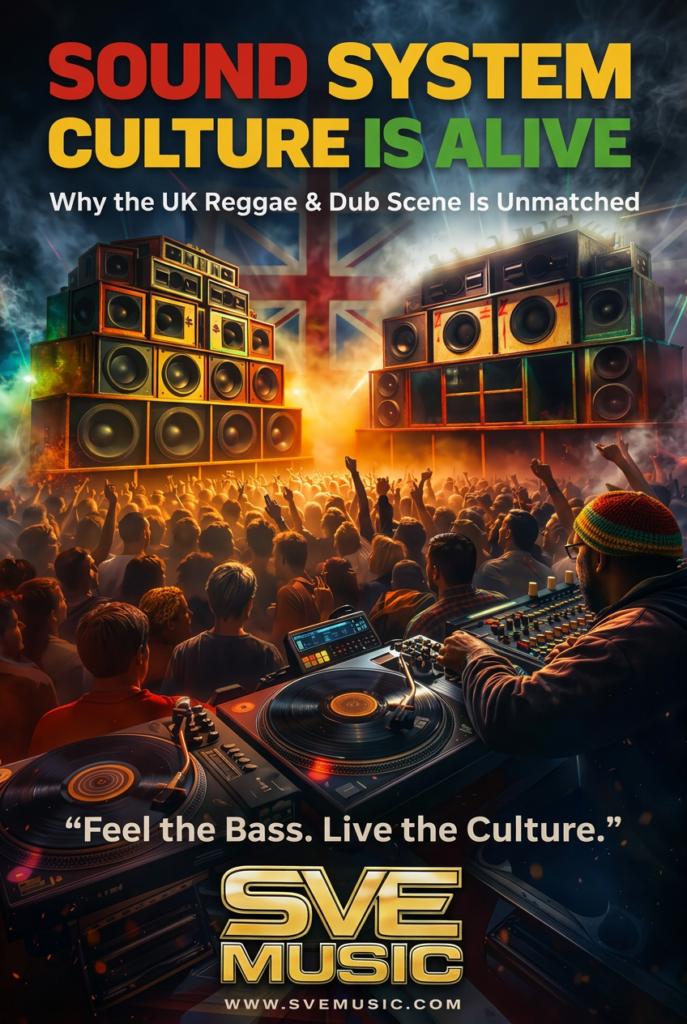
Sound System Culture Is Alive: Why the UK Reggae & Dub Scene Is Unmatched
Published by SVE Music
For more than 70 years, reggae has connected Jamaica and the United Kingdom through migration, music, and culture. Today, Britain is home to one of the world’s most vibrant reggae and dub communities, where handcrafted sound systems, heavyweight bass, and dedicated audiences continue to keep the culture thriving.
Far from being a nostalgic throwback, the UK scene is constantly evolving. Every weekend, sound systems, selectors, producers, MCs, and thousands of fans gather across England, Scotland, and Wales to celebrate reggae in all its forms—from roots and dub to dancehall, lovers rock, and modern steppers.
The UK Sound System Tradition
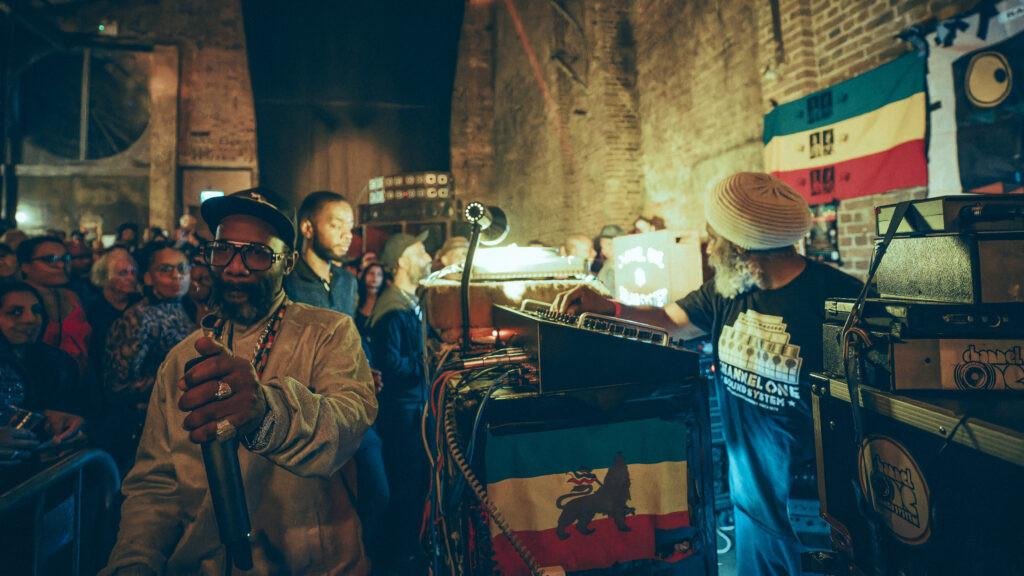
The UK’s sound system movement grew during the 1960s and 1970s when Caribbean migrants brought Jamaica’s street-dance culture to cities including London, Birmingham, Bristol, Leeds, and Manchester.
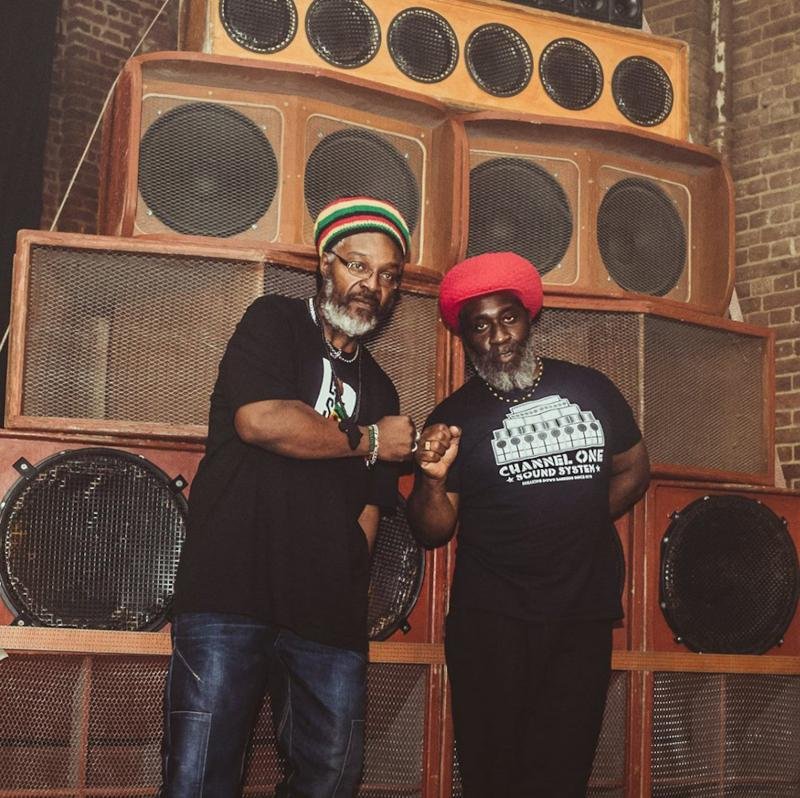
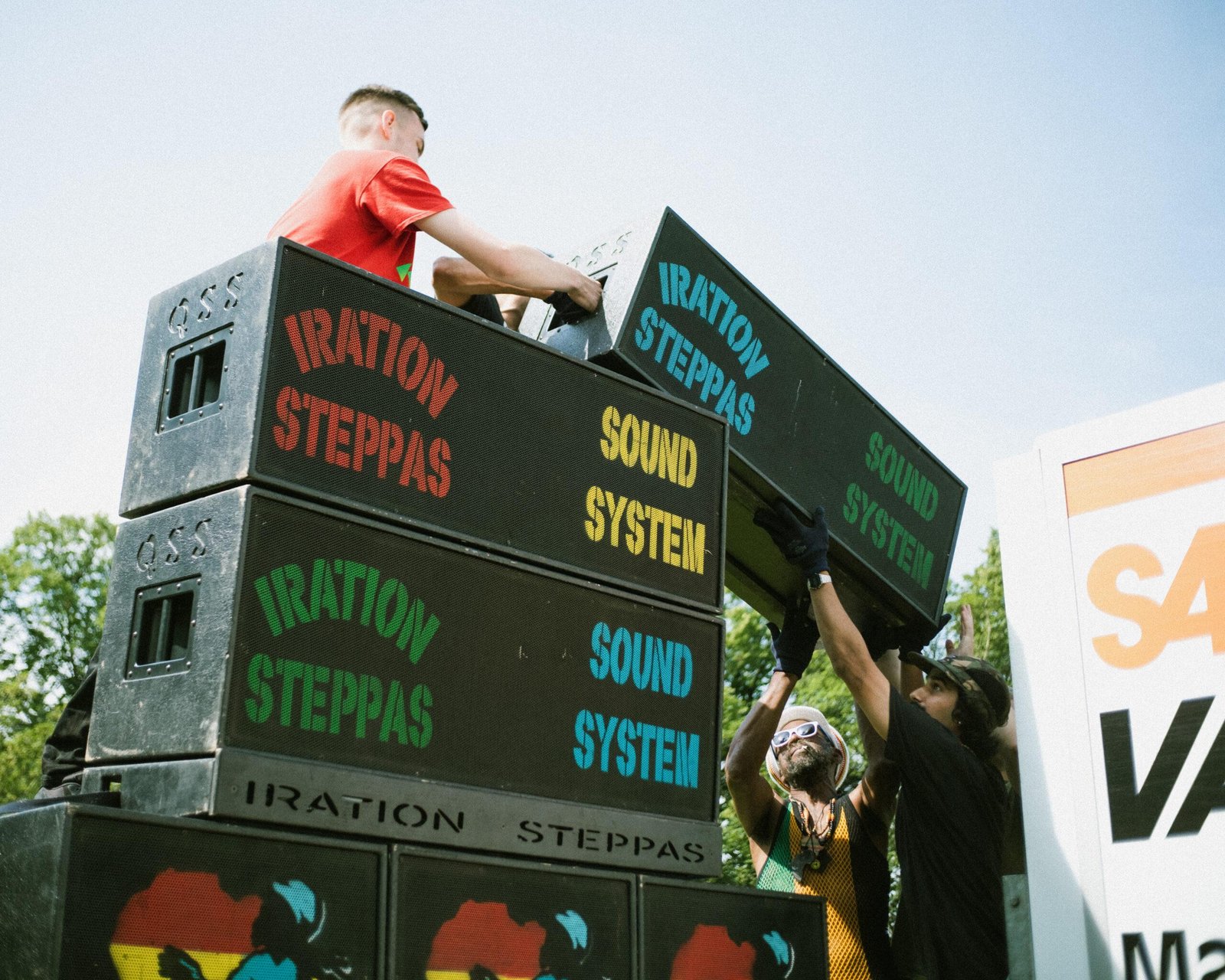
Unlike a typical DJ setup, many UK sound systems build their own speaker stacks by hand. The aim is simple: create the deepest, cleanest bass possible. At a proper session, reggae is something you don’t just hear—you physically feel.
Many crews still play vinyl, especially dubplates and exclusive cuts, preserving traditions that originated in Kingston while adding their own British identity.
A Scene That Continues to Grow
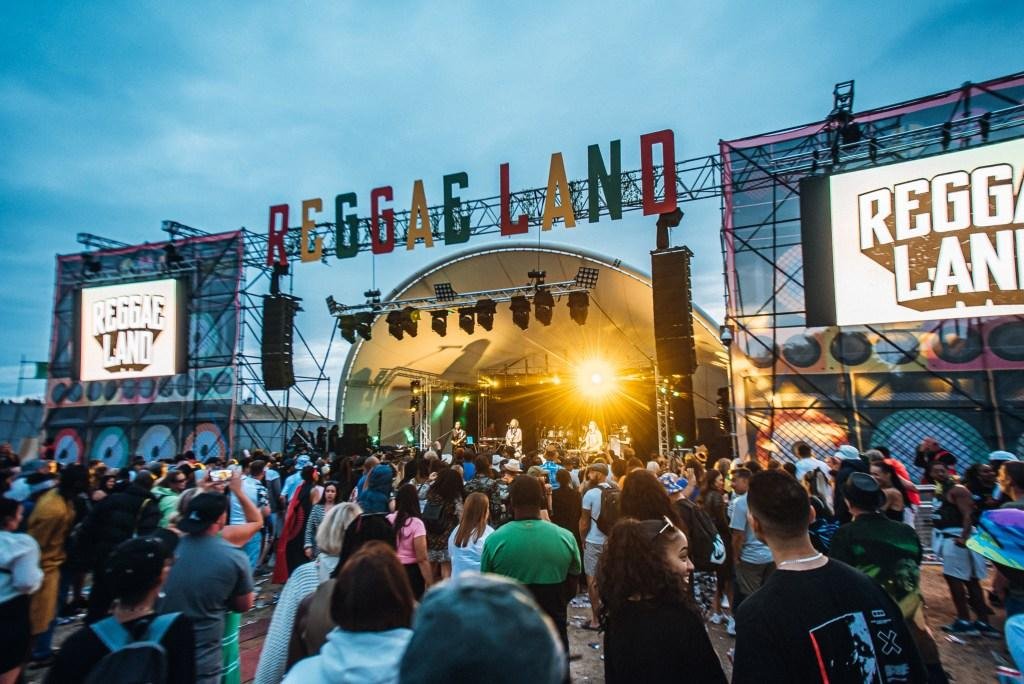
One of the clearest examples of reggae’s popularity in Britain is Reggae Land, held at Milton Keynes National Bowl.
Originally launched as a relatively small festival, it has expanded into one of Europe’s biggest celebrations of reggae, dancehall, dub and Caribbean culture, featuring more than 120 artists across multiple stages in 2026.
While the festival showcases Jamaican legends, it also gives significant space to UK artists, sound systems and selectors, reflecting Britain’s unique contribution to reggae culture.
The Artists Driving Modern UK Reggae
Britain continues to produce internationally respected reggae talent.
Mr Williamz & Reggae Roast
Mr Williamz remains one of Britain’s most recognised reggae MCs. His 2026 collaboration with Reggae Roast, “Spread Out,” combines modern dancehall energy with heavyweight UK sound-system production and has become a favourite among selectors.
Macka B
Few artists represent British roots reggae better than Macka B. His 2026 single “Di Real Rock” celebrates Jamaica’s legendary Real Rock riddim while proving conscious reggae remains relevant decades into his career.
The Guardians of British Reggae
The UK’s reggae legacy is also protected by pioneers including:
David Rodigan
Mad Professor
The Cimarons
Their decades of work helped establish Britain as one of reggae’s most influential homes outside Jamaica.
Experience the Real UK Sound
The biggest festivals are only part of the story.
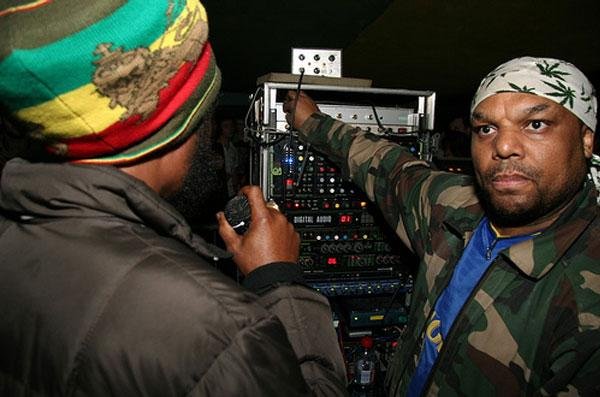
The heart of British reggae lives in weekly dances, community halls, warehouses, clubs and carnival events where sound systems continue traditions that stretch back generations.
Among the most respected sound systems are:
Channel One Sound System
Iration Steppas
Aba Shanti-I
Saxon Sound
Reggae Roast Sound System
These sessions are known for powerful handcrafted speaker stacks, exclusive dubplates, conscious music and an atmosphere built around respect, unity and community.
Why the UK Scene Matters
Britain has never tried to replace Jamaica—it has helped preserve and develop reggae culture for generations.
Today, UK reggae embraces:
Traditional roots reggae
Heavy dub
Modern steppers
Lovers rock
Dancehall
Crossovers with jungle, bass music and Afrobeats
Rather than diluting reggae, many British artists have introduced new audiences to its foundations while remaining deeply connected to Jamaican musical heritage.
Final Thoughts
The UK reggae scene is among the healthiest it has ever been. Massive festivals, respected independent labels, legendary sound systems and new generations of artists continue to push the music forward while honouring its roots.
Whether you’re standing in front of a handcrafted speaker stack at a local dance or joining thousands at Reggae Land, one thing becomes obvious:
Sound system culture isn’t surviving—it is thriving.