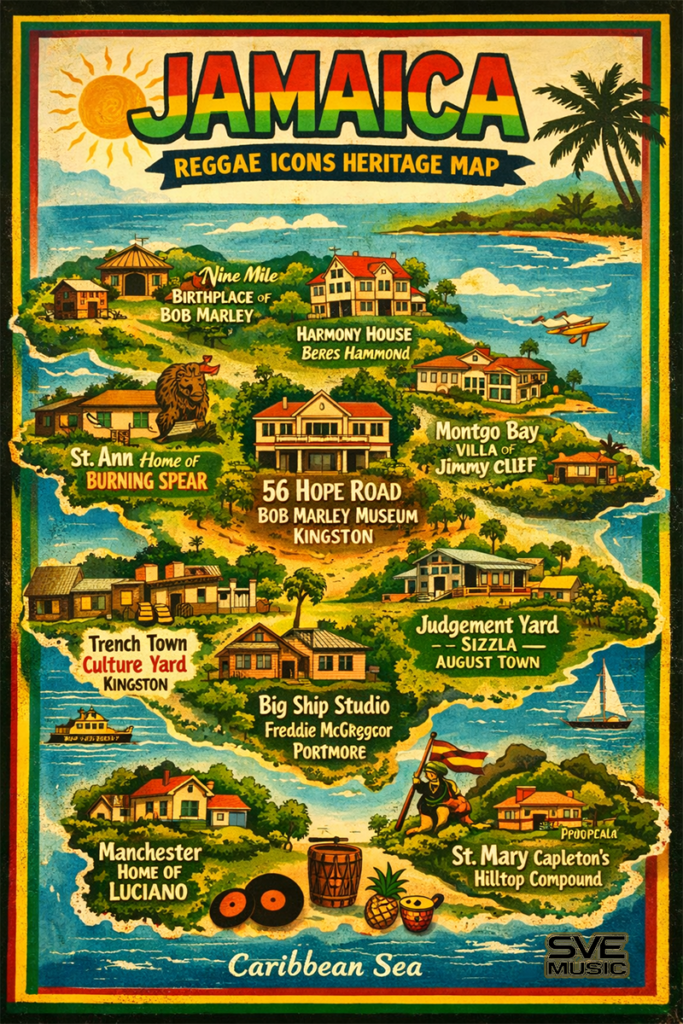
The Yards, Hills, Mansions & Compounds That Shaped Jamaica’s Sound
Reggae is not only a music — it is an environment. A geography. A lived architecture of zinc fences, hilltop terraces, rum‑runner mansions, and coastal sanctuaries. The homes of reggae’s icons are more than private residences; they are cultural engines, spiritual bases, and creative laboratories. Together, they form a map of Jamaica’s soul — from Kingston’s inner‑city yards to the quiet hills of St. Ann and the Caribbean hideaways beyond.
This is a journey through the defining spaces of reggae’s greatest figures, and the stories those spaces continue to tell.
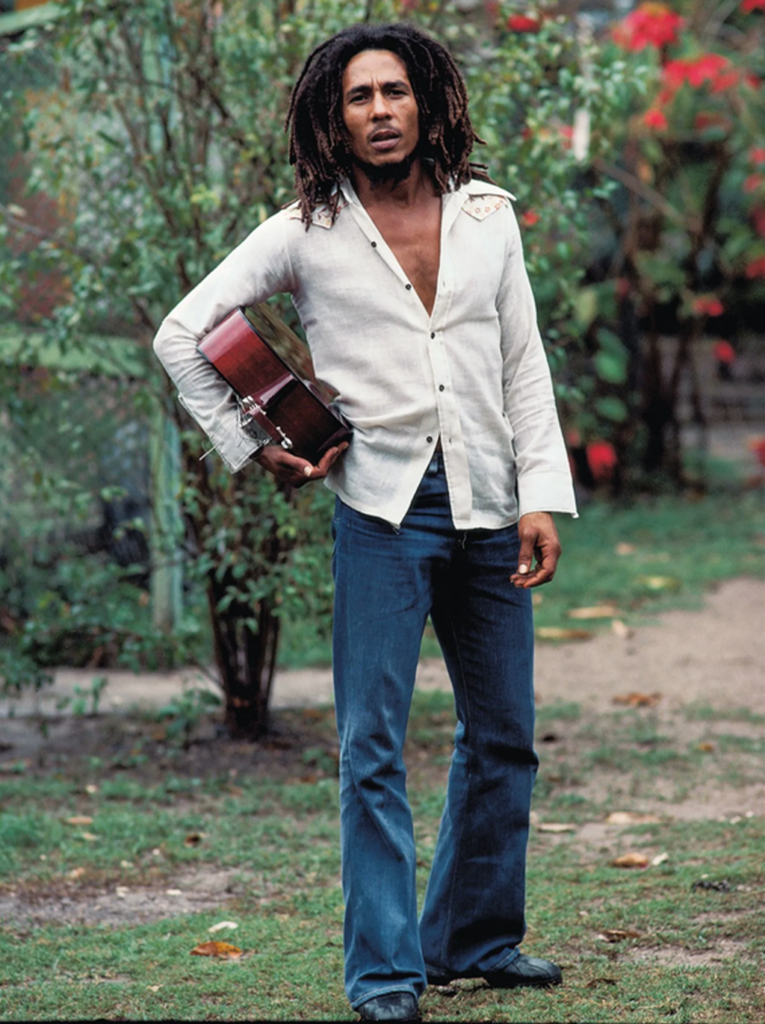
Bob Marley — The Blueprint of a Legend
Bob Marley’s life unfolds across four iconic locations, each representing a chapter in his transformation from rural youth to global prophet.
In Nine Mile, St. Ann, Marley’s birthplace and final resting place, the hills cradle his childhood home and mausoleum. Visitors walk through incense‑filled rooms, past murals and relics preserved by the Marley family. It is a pilgrimage site — quiet, spiritual, and deeply Jamaican.
From the countryside, Marley moved into Kingston’s beating heart: Trench Town Culture Yard. Built in the 1940s as public housing, the yard’s communal kitchens and shared courtyards shaped the social fabric that birthed reggae. The zinc fences, the laughter, the struggle — all became part of Marley’s sound.
His rise led him to 56 Hope Road, a 19th‑century gabled estate that became home, headquarters, and creative fortress. The bullet holes from the 1976 assassination attempt remain untouched, a stark reminder of the political fire surrounding his message. Today, the Bob Marley Museum preserves his handwritten lyrics, gold records, and personal artifacts.
During exile, Marley lived at Oakley Street, London — a modest flat where he recorded Exodus, one of the most celebrated albums in history. The building now bears an English Heritage blue plaque, marking the global reach of Jamaica’s voice.
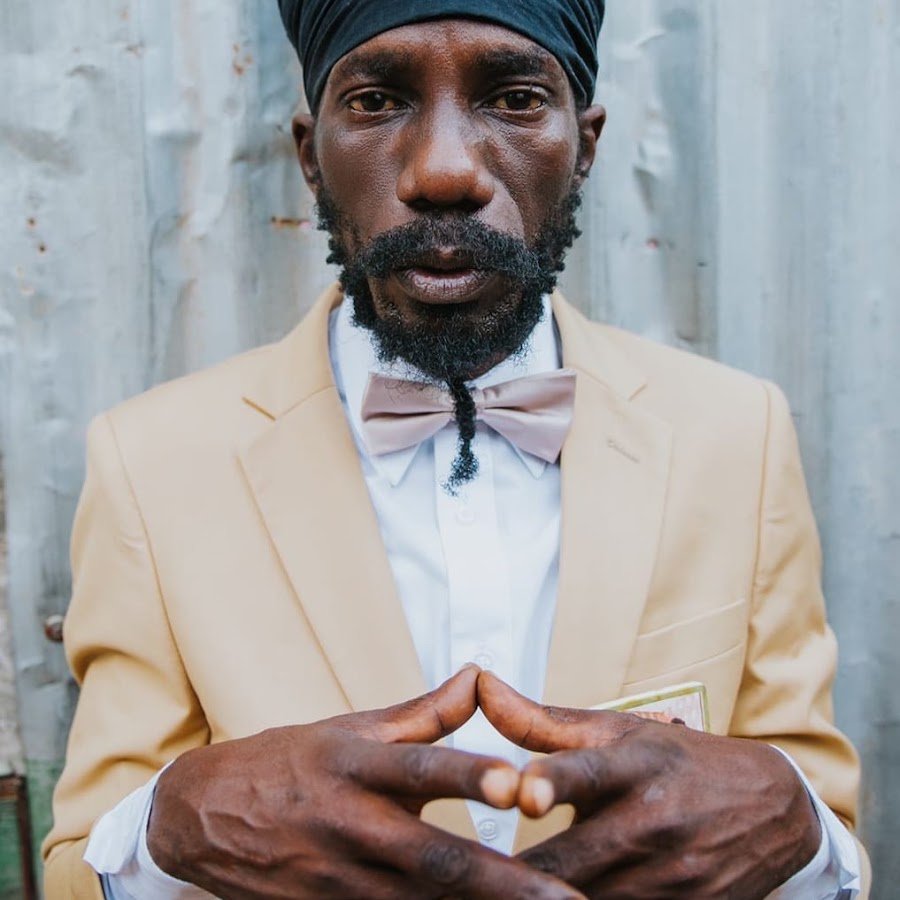
Sizzla — The Rasta Citadel of August Town
High above Kingston sits Judgement Yard, Sizzla’s towering compound and the headquarters of the Kalonji movement. Spanning multiple levels across roughly 8,020 square feet, the yard is built from raw concrete — a fortress of discipline and independence.
Panoramic views stretch across Kingston. Rooftop terraces serve as meditation platforms. Backup water and electrical systems ensure full self‑reliance. Judgement Yard is not simply a home; it is a spiritual institution, a community hub, and a symbol of Rasta sovereignty.

Rita Marley — The Caribbean Mansion with a Secret Tunnel
In Nassau, Bahamas, Rita Marley’s historic mansion stands as a Caribbean sanctuary with a colorful past. Built in 1920 by rum runners, the estate once featured a tunnel connecting the house to a nearby harbor — a relic of smuggling days long gone.
Purchased for $980,000, the mansion is now a serene retreat for the matriarch of the Marley legacy, blending tropical gardens with historic architecture and quiet strength.
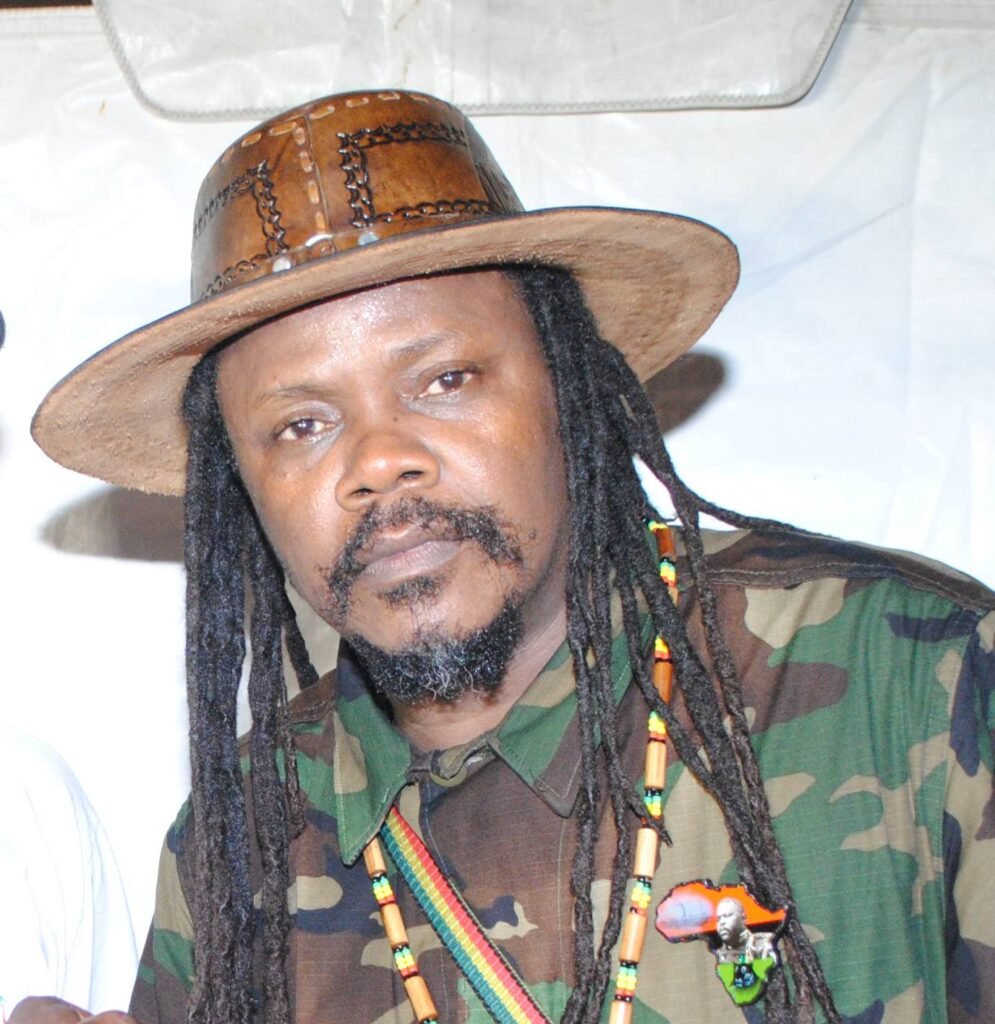
Luciano — The Country Retreat of a Spiritual Messenger
Luciano’s home in Manchester Parish reflects his grounded, peaceful lifestyle. The two‑story residence sits on a spacious rural plot surrounded by fruit trees — mango, breadfruit, guava.
Inside, an open‑concept living space encourages family unity, while a self‑contained lower apartment offers privacy for guests or creative work. The home is a sanctuary of humility, meditation, and spiritual balance.
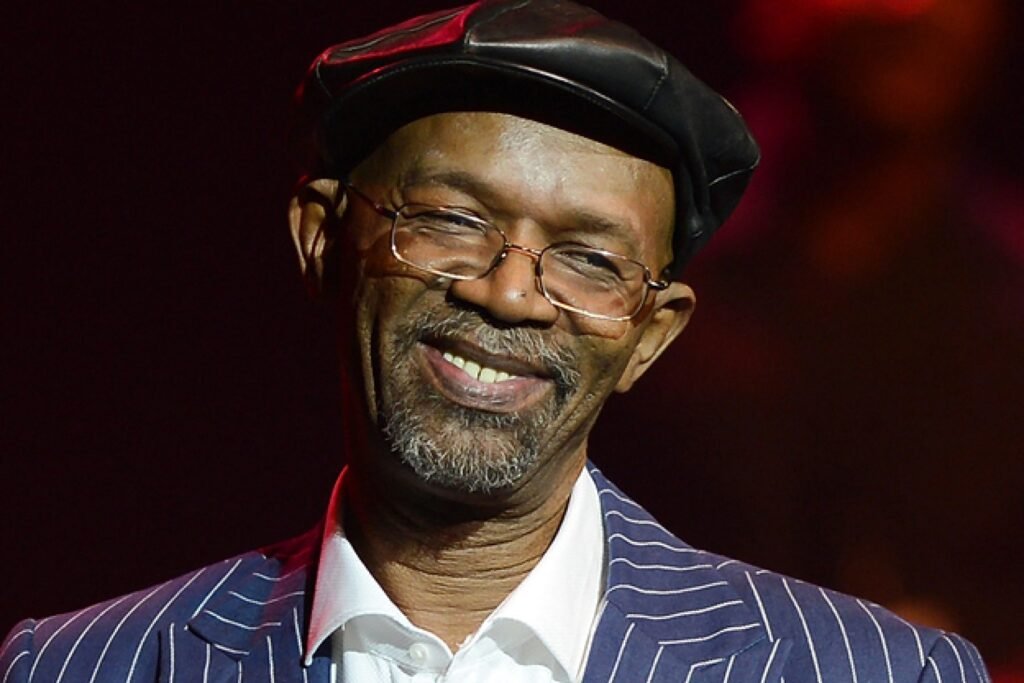
Beres Hammond — The Lovers Rock Laboratory
In Kingston, Harmony House remains one of reggae’s most important creative spaces. Beres Hammond’s home‑studio has produced decades of lovers rock classics, its warm acoustics and analog equipment preserving the genre’s signature intimacy.
Today, Hammond’s children continue to operate the studio, ensuring that Harmony House remains a living incubator for soulful Jamaican music.
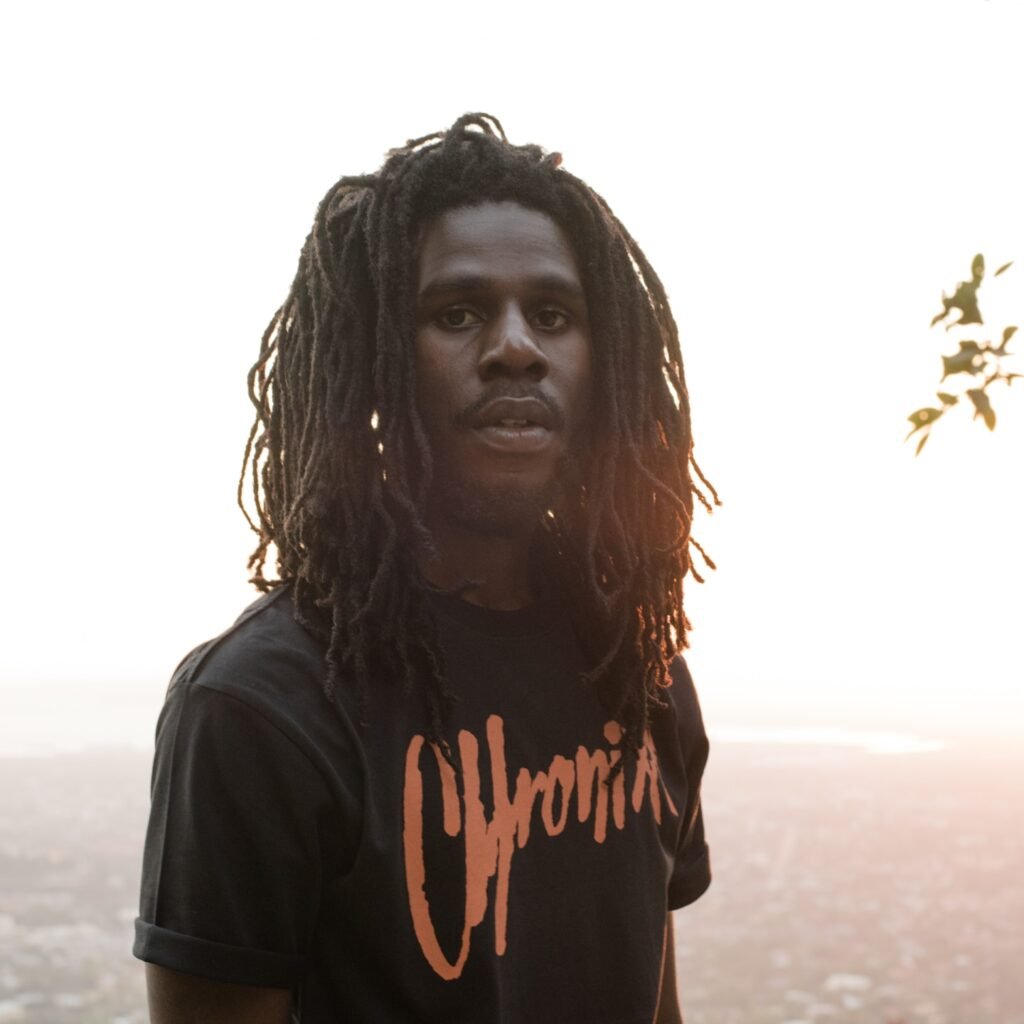
Chronixx — Modern Roots, Minimalist Living
Chronixx’s residence near Spanish Town is intentionally modest — a minimalist, earth‑focused home emphasizing natural ventilation, solar energy, ital gardening, and open spaces for meditation. It reflects his Rastafarian philosophy of simplicity and balance.
Nearby sits ZincFence Recordings, his creative compound and the headquarters of his musical collective. The space functions as a modern community hub, echoing the spirit of Trench Town while shaping the future of roots reggae.
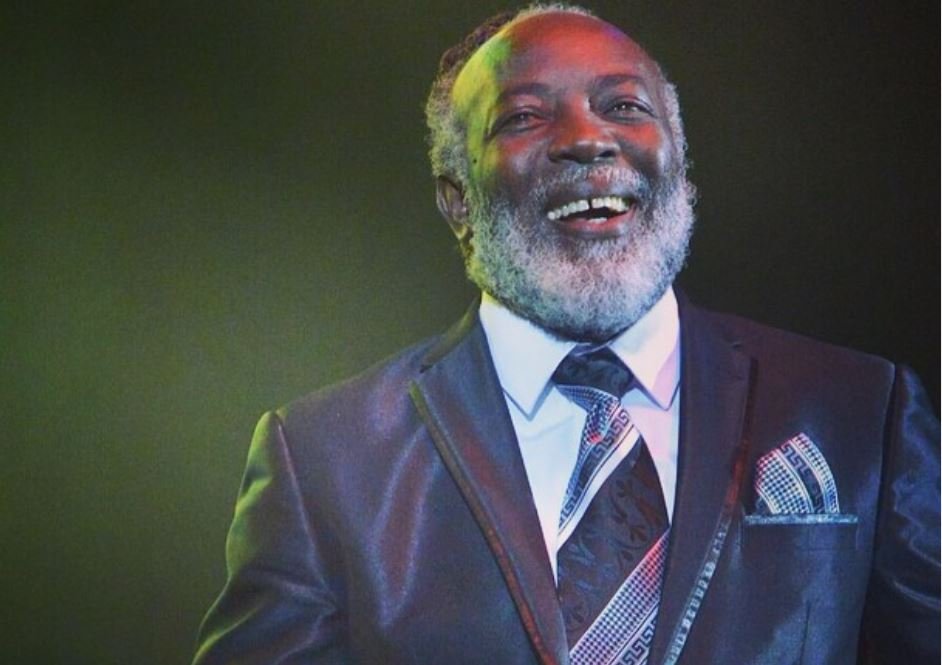
Freddie McGregor — The Big Ship Estate
Freddie McGregor’s Big Ship Studio in Portmore is both a family estate and a professional powerhouse. The property houses recording rooms, rehearsal spaces, and production offices, supporting the careers of artists like Chino and Stephen McGregor. It blends modern architecture with the warmth of classic reggae tradition.
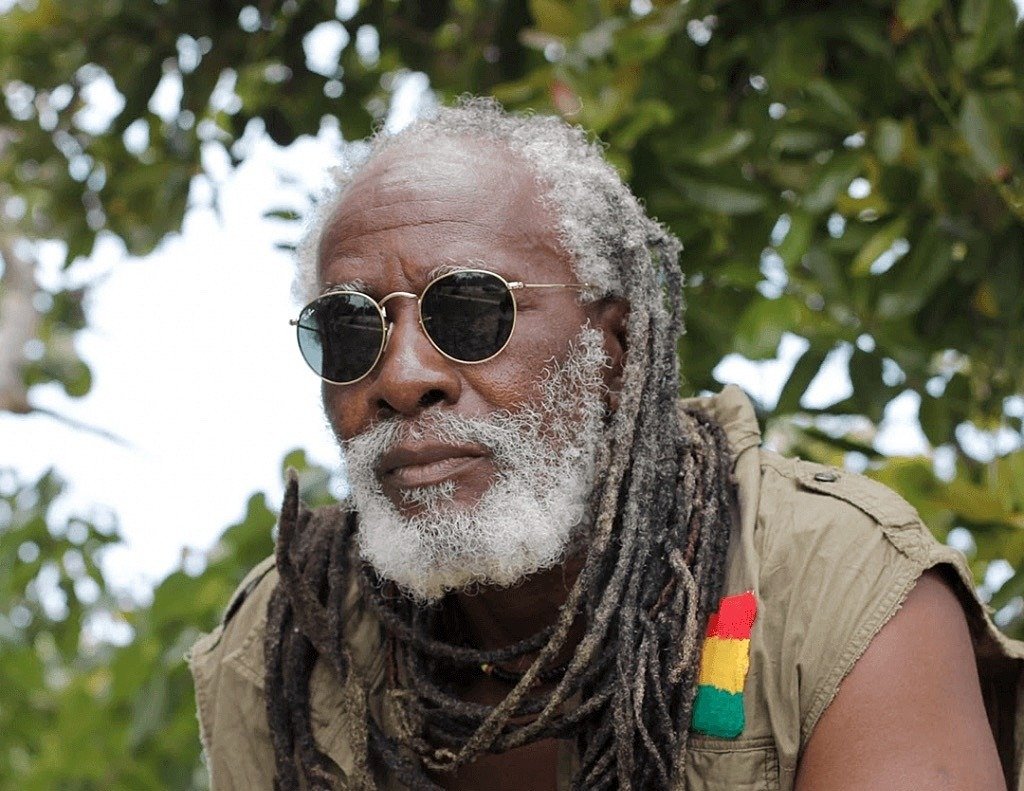
Burning Spear — The Coastal Sanctuary of a Pan‑African Icon
Burning Spear’s home in St. Ann is a secluded coastal retreat surrounded by nature. The residence reflects his Pan‑African philosophy — simple, self‑sufficient, and spiritually charged. It is a place of meditation, creativity, and cultural preservation.
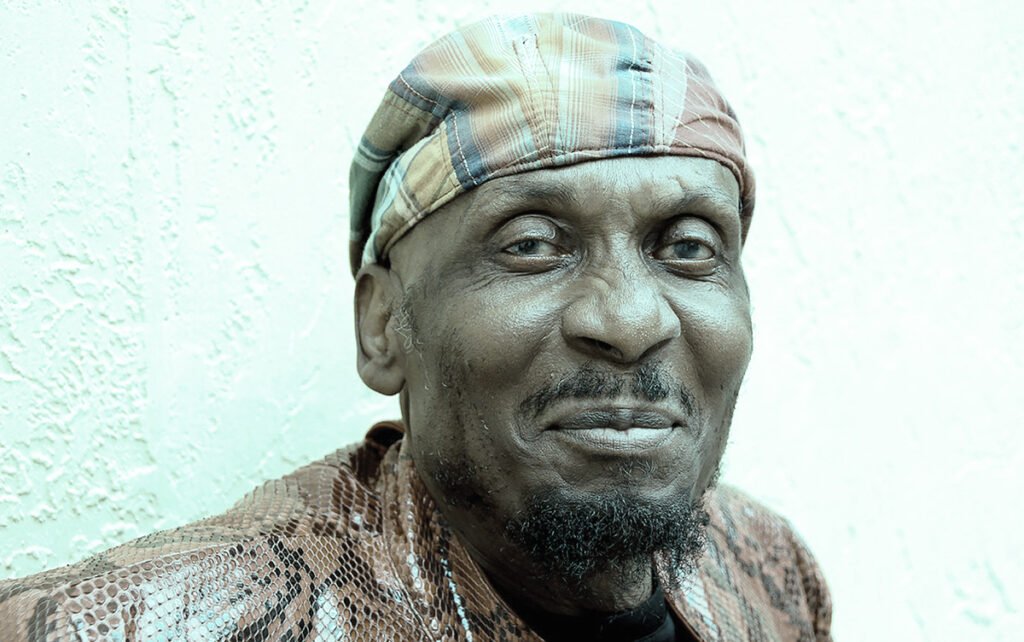
Jimmy Cliff — The Hillside Villa of a Global Star
Jimmy Cliff’s Montego Bay villa overlooks the Caribbean Sea, blending art, architecture, and history. The home is filled with memorabilia from his decades‑long career, including his contributions to film and international reggae. It stands as a testament to his global influence.

Beenie Man — Dancehall Royalty in Kingston
Beenie Man’s Kingston estate is a modern mansion known for its vibrant energy. The home hosts studio sessions, celebrations, and gatherings that reflect his status as the “King of the Dancehall.” It is a creative and social hub for Jamaica’s urban music scene.
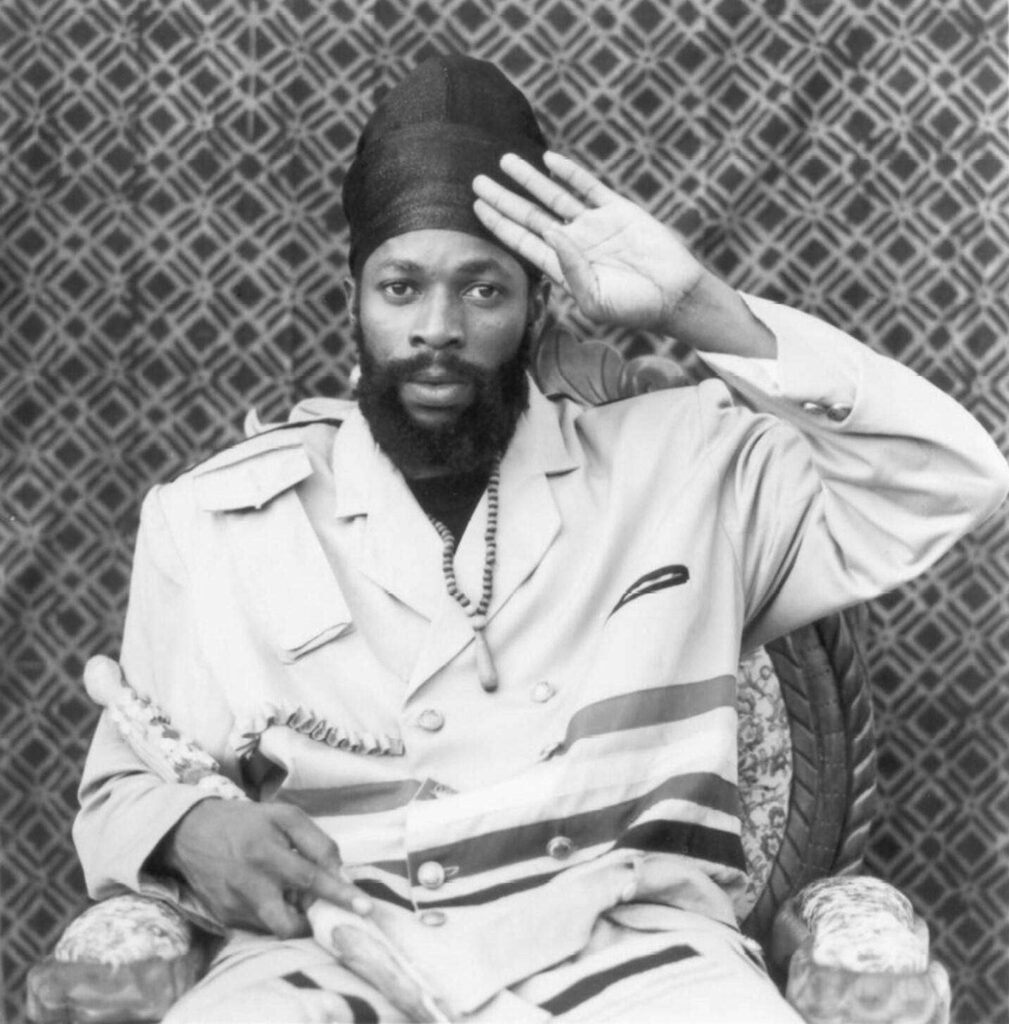
Capleton — The Fire House in the Hills
Capleton’s compound in St. Mary is a spiritual stronghold rooted in Rasta fire symbolism. The property integrates ital farming, meditation spaces, and community outreach programs. It is a living embodiment of his “King Shango” persona — fiery, disciplined, and deeply connected to the land.
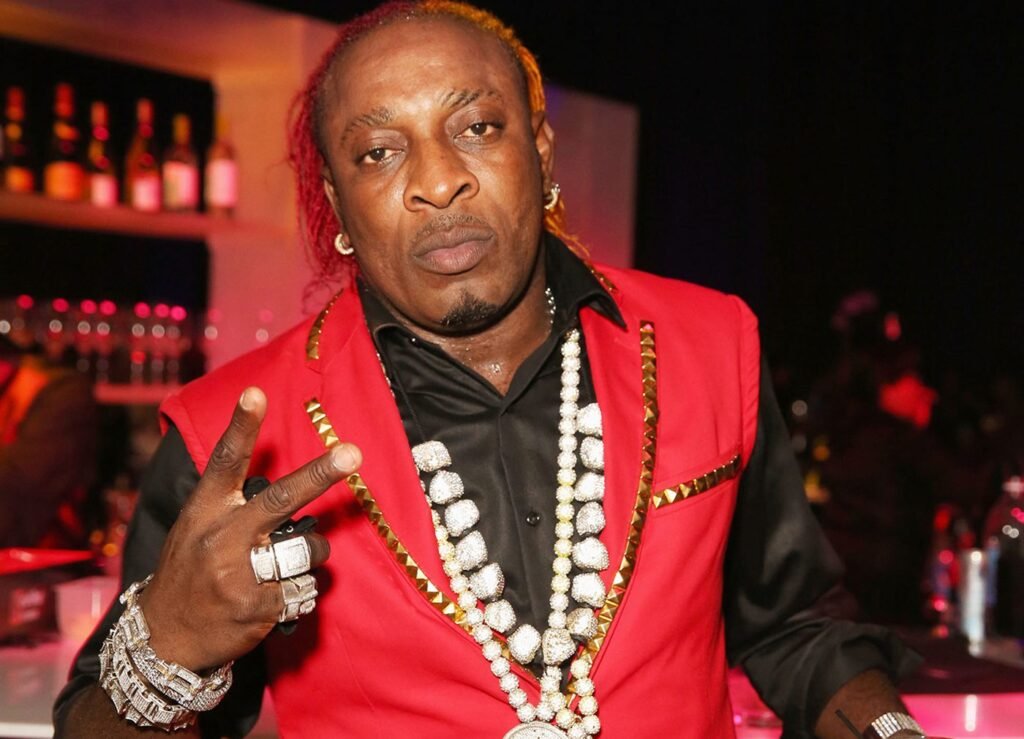
Elephant Man — The Mansion of Dancehall Energy
Elephant Man’s Kingston mansion mirrors his flamboyant stage presence. Bright colors, bold interiors, and entertainment spaces define the home, which doubles as a creative base for dancehall production. It is a place of movement, rhythm, and celebration.
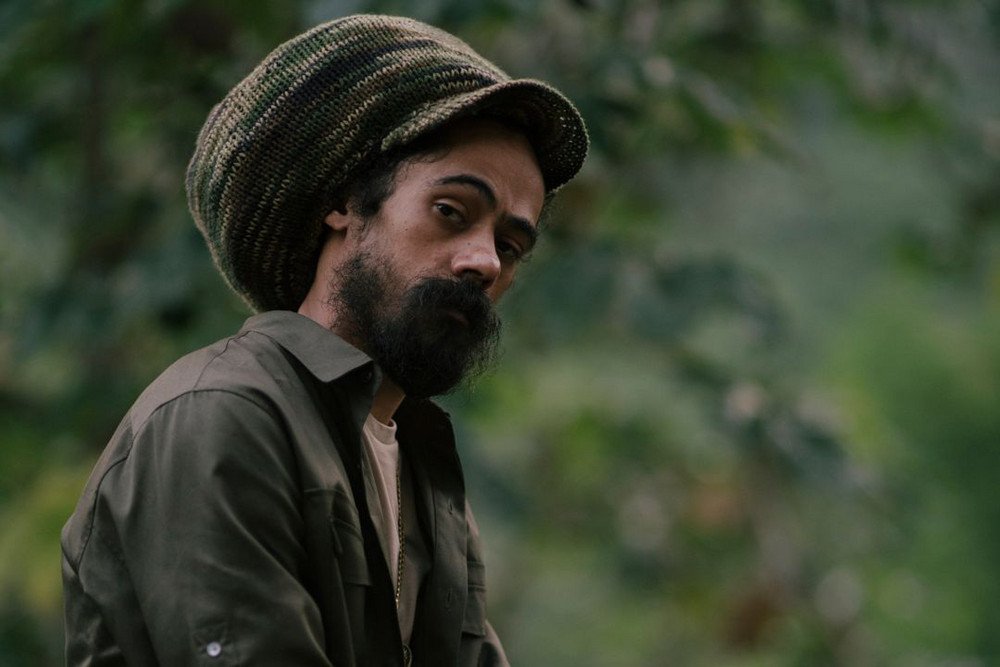
Damian Marley — The Modern Tuff Gong Compound
Damian Marley’s residence and creative base connect directly to the Marley legacy. His compound includes studios, rehearsal rooms, and archival spaces, merging heritage with modern production. It is a continuation of the Tuff Gong philosophy — independence, creativity, and cultural leadership.

Popcaan — The St. Thomas Villa of a New‑Age Star
Popcaan’s villa in St. Thomas blends coastal luxury with rural authenticity. The home features ocean views, private studio areas, and spaces dedicated to community outreach. It reflects his dual identity as both a global dancehall star and a son of the Jamaican countryside.
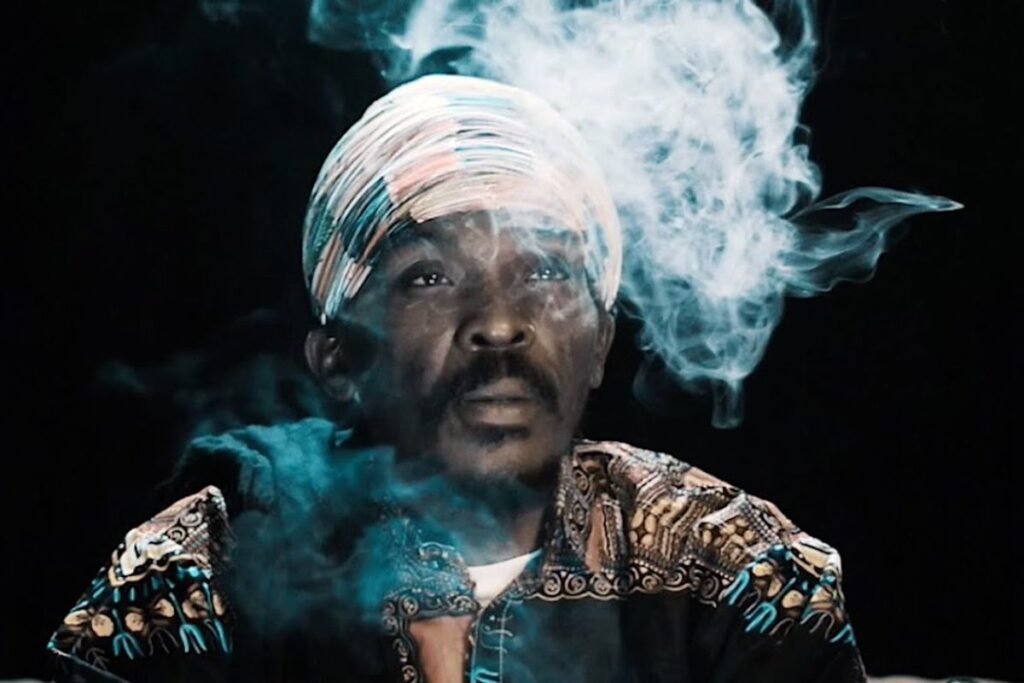
Anthony B — The Hillside Base of a Revolutionary Voice
Anthony B’s residence in Trelawny sits on farmland and meditation grounds. The compound supports his charity work, creative projects, and spiritual practice. It is a peaceful base for one of reggae’s most powerful voices of resistance.
The Geography of a Movement
From Trench Town’s zinc fences to Judgement Yard’s concrete terraces, from country retreats to international sanctuaries, the homes of reggae’s icons are more than private spaces — they are cultural archives. They hold stories of hardship, creativity, revolution, and spiritual grounding. Together, they form a living atlas of reggae’s past, present, and future.