FORGOTTEN REGGAE LEGENDS: The Pioneers Who Helped Build the Music but Deserve Greater Recognition
An in-depth reggae heritage feature:
The history of reggae is bigger than the names we hear every day
When people discuss the greatest names in reggae music, certain artists naturally dominate the conversation: Bob Marley, Peter Tosh, Bunny Wailer, Dennis Brown, Gregory Isaacs and Burning Spear.
Their contributions are undeniable. Their music travelled across continents, influenced generations and helped establish reggae as one of Jamaica’s most important cultural exports.
But behind that celebrated history lies another story.
It is the story of remarkable singers, musicians, arrangers, producers and innovators whose contributions helped shape the very foundations of reggae, rocksteady, roots music and dub.
Some enjoyed enormous success in Jamaica or Britain but never received equivalent international recognition. Others were highly respected within the music industry yet remained relatively unknown to the wider public.
And some helped create musical ideas that are still being used decades later.
Being less celebrated today does not mean these pioneers were unimportant in their own time. Many were giants within the reggae community.
For this feature, SVE Music looks beyond the familiar headlines to celebrate some of the artists whose influence deserves to be heard, discussed and preserved.
1. Jackie Mittoo — The musical genius behind Studio One

When discussing the foundations of Jamaican popular music, Jackie Mittoo is a name that deserves far more attention outside specialist reggae circles.
Born Donat Roy Mittoo in Jamaica in 1948, he was a gifted keyboard player, composer and arranger. As a member of the original Skatalites and musical director at Clement “Coxsone” Dodd’s Studio One, Mittoo helped shape the arrangements and instrumental sound of countless recordings.
His role was not simply to play keyboards. He helped musicians develop arrangements, refine melodies and turn musical ideas into recordings.
According to AllMusic’s biography, Mittoo became Studio One’s musical director in the early 1960s, contributing extensively to the label’s output.
Why his contribution matters
Studio One rhythms became part of the musical vocabulary of Jamaican music. Later singers and deejays returned to these foundations, creating new versions for new generations.
That tradition of revisiting and rebuilding classic rhythms remains central to reggae and dancehall production today.
Mittoo was therefore much more than a session musician. He was one of the architects of a musical system that allowed Jamaican recordings to live far beyond their original release.
Essential listening: Ram Jam, Hot Milk and Evening Time.
For today’s producers, Jackie Mittoo’s legacy demonstrates something important: a powerful arrangement can become just as influential as the song performed over it.
2. Yabby You — The uncompromising voice of spiritual roots reggae

Vivian Jackson, better known as Yabby You, was one of roots reggae’s most distinctive and independent creative voices.
His music carried a deeply spiritual message, but his beliefs differed from the dominant Rastafarian interpretation of Haile Selassie’s divinity. His devotion to Jesus Christ earned him the nickname “Jesus Dread.”
His recording Conquering Lion became a defining roots reggae work.
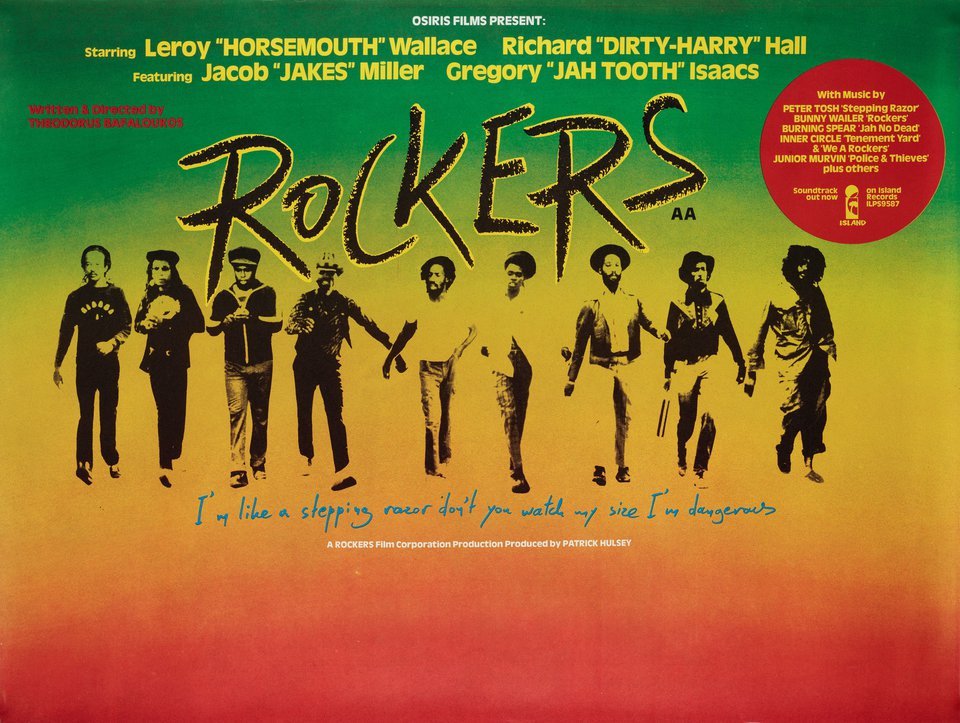
The song’s origins involved musicians including Aston “Family Man” Barrett, Earl “Chinna” Smith and Leroy “Horsemouth” Wallace. Jackson initially struggled to finance the record’s pressing, but the recording subsequently found an audience through Jamaican sound systems and later internationally.
Why his contribution matters
Yabby You represented artistic independence at a time when roots reggae was strongly associated with particular spiritual and cultural ideas.
He demonstrated that reggae could express different interpretations of faith while retaining its commitment to reflection, justice and spiritual conviction.
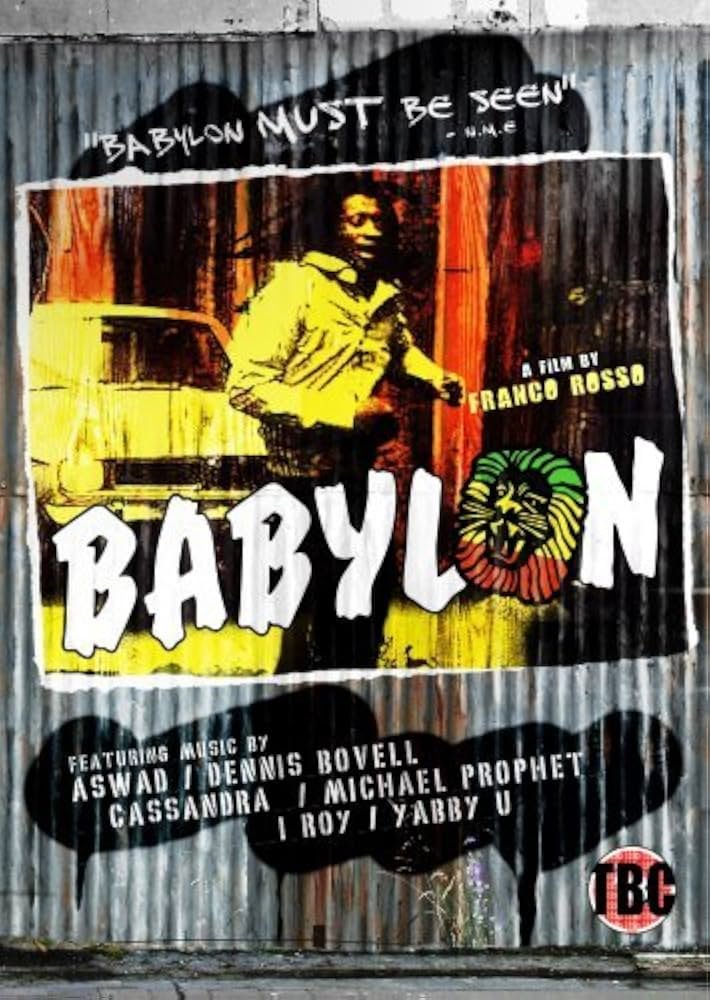
As a producer, he also worked with performers including Michael Prophet, Wayne Wade and several influential deejays.
Essential listening: Conquering Lion, Judgement on the Land and Deliver Me from My Enemies.
His catalogue deserves greater exposure among younger roots reggae listeners who may know the familiar international names but have yet to explore Jamaica’s deeper musical history.
3. Keith Hudson — The experimental producer who pushed dub forward


Keith Hudson was an adventurous Jamaican singer and producer whose work challenged conventional ideas about how reggae records should sound.
His productions were often dark, atmospheric and rhythmically powerful. Rather than treating a song as a fixed arrangement, Hudson explored how its individual elements could be reshaped into new musical experiences.
He was also involved in early recorded deejay music and produced Ken Boothe’s Old Fashioned Way, an important recording in his early career.
His influential album Pick a Dub remains an essential part of dub history.
The album’s release year is sometimes listed as 1974, while the Hudson estate’s liner notes give 1975. What is not seriously in dispute is its importance as an early landmark of album-length dub production.
Why his contribution matters
Hudson understood that a rhythm could tell its own story.
A bassline, a drum pattern, a fragment of a voice or the sudden removal of an instrument could completely transform a recording’s emotional impact.
These principles remain relevant to contemporary dub mixing, remixing and electronic music production.
Essential listening: Pick a Dub, Flesh of My Skin Blood of My Blood and Entering the Dragon.
For independent producers, Hudson’s career is a reminder that musical originality does not always follow commercial expectations.
4. Louisa Mark — The young British voice who helped pioneer lovers rock


Reggae history cannot be properly told without recognising Britain’s contribution, particularly the development of lovers rock during the 1970s.
One of the most important early voices was Louisa Mark.
Born to Grenadian parents and raised in west London, Mark became involved in the sound system scene while still young.
Her recording of Caught You in a Lie, made with musicians from Matumbi and arranged by Dennis Bovell, became one of the pioneering records of British lovers rock.
Her success helped establish a space for young Black British women within reggae, at a time when roots reggae and male performers dominated much of the wider musical conversation.
Why her contribution matters
Lovers rock was not simply Jamaican reggae performed in Britain.
It developed its own identity, drawing on reggae, soul, romance and the lived experiences of young Black Britons.
The genre helped connect generations, becoming an important part of British sound system culture, house parties and community celebrations.
Mark helped open the door for later artists including Janet Kay, Carroll Thompson and Sandra Cross.
Essential listening: Caught You in a Lie and Keep It Like It Is.
Her story is particularly important for UK audiences because it demonstrates that Britain’s reggae history was not merely about importing Jamaican records. British-based musicians and producers were creating an original musical movement of their own.
5. Winston Grennan — The drummer whose rhythms helped shape reggae
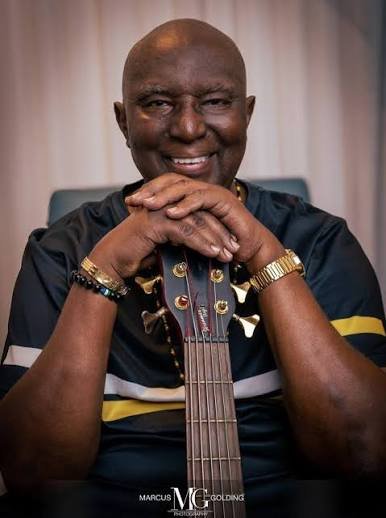
When people remember great reggae recordings, the singer usually receives the attention.
But the musicians responsible for the rhythm are equally important.
Winston Grennan was one of those musicians.
A Jamaican drummer whose career stretched across ska, rocksteady, reggae and other styles, Grennan performed with important studio ensembles and recorded for producers including Duke Reid, Leslie Kong and Sonia Pottinger.
He also worked with performers such as Desmond Dekker and the Melodians.
His influence extended beyond the records he played on. He helped develop younger drummers, including musicians who went on to become important figures in Jamaican music
Why his contribution matters
Reggae’s rhythmic identity was developed through the creativity of working musicians.
The placement of the kick drum, the snare, the hi-hat and the relationship between drums and bass all helped distinguish the emerging reggae sound from the earlier ska and rocksteady traditions.
Grennan was among the musicians who contributed to that evolution.
His career is also a reminder that the people who played on influential recordings did not always receive the same public recognition as the vocalists.
For producers, understanding the musicians behind the recordings is essential to understanding how reggae developed.
6. Lyn Taitt — The guitarist who helped define rocksteady

The transition from ska to rocksteady was one of the most important musical developments in Jamaican history.
Among the musicians who helped shape that change was Trinidad-born guitarist and arranger Lyn Taitt.
Working in Jamaica during the 1960s, Taitt contributed to recordings including Hopeton Lewis’s Take It Easy, Roy Shirley’s Hold Them and Alton Ellis’s Girl I’ve Got a Date.
His guitar playing and arrangements helped establish the slower, more spacious musical approach associated with rocksteady.
Why his contribution matters
Without the musical innovations of the rocksteady period, the reggae sound that followed would have developed differently.
Taitt’s work illustrates how Jamaican music was also shaped by musicians from across the Caribbean.
His contribution deserves recognition alongside the singers whose records made the genre famous.
7. The Cimarons — The overlooked pioneers of British reggae

For UK reggae enthusiasts, the story of the Cimarons is particularly significant.
Formed in London in 1967 by Jamaican-born musicians, the Cimarons are widely described as Britain’s first reggae band.
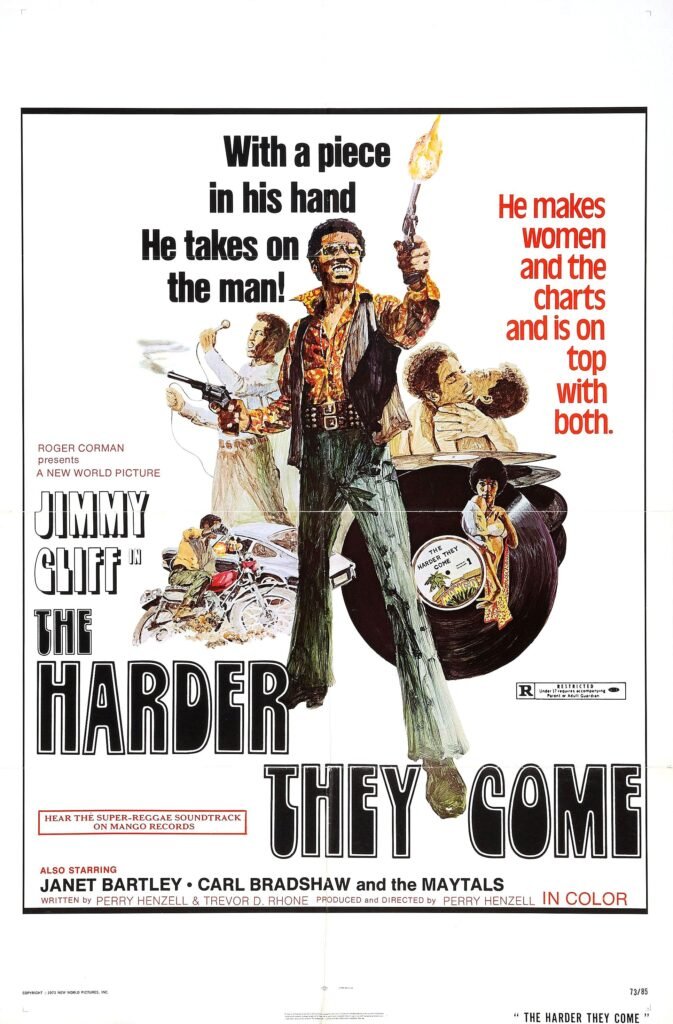
They helped establish a professional reggae band presence in Britain and worked with major Jamaican performers, including Jimmy Cliff.
Yet despite their pioneering contribution, the group experienced serious commercial difficulties and received far less mainstream recognition than their achievements warranted.
Their history gained renewed attention through the 2024 documentary Harder Than the Rock, which explored the band’s influence, struggles and return to performin
Why their contribution matters
The Cimarons demonstrate that British reggae history was built by working musicians who often operated outside the mainstream music industry’s priorities.
Their story raises important questions about recognition, fair payment, recording credits and the preservation of Black British musical history.
These issues remain relevant to independent musicians and record labels today.
Why do some reggae pioneers receive less recognition?
The answer is not as simple as saying their music was forgotten.
Many of these musicians were extremely successful within their communities, on sound systems or among dedicated record collectors.
However, several historical factors contributed to their lower visibility internationally.
The power of major-label promotion: Artists with access to international distribution, touring networks and publicity were generally better positioned to reach global audiences.
The importance of session musicians: Jamaican recording culture relied heavily on skilled instrumentalists. Listeners often knew the singer but not every musician involved in creating the recording.
The dominance of particular historical narratives: Popular documentaries, films and introductory reggae histories naturally concentrate on a relatively small number of internationally recognised performers.
The limited visibility of British reggae: UK lovers rock and independent reggae developed thriving audiences, yet did not always receive the same mainstream media exposure as other British popular music.
The challenge of preserving recordings: Historic reggae catalogues have sometimes been difficult to access consistently because of changing labels, reissues, ownership arrangements and incomplete documentation.
None of these factors diminishes the achievements of internationally successful reggae artists.
Instead, they show why a fuller understanding of reggae history requires looking beyond commercial fame.
The history of reggae should never be reduced to a handful of famous names.
For every internationally celebrated singer, there were musicians, arrangers, engineers and producers whose creativity helped make those recordings possible.
Some received their recognition during their lifetimes. Others are still being rediscovered.
What matters now is ensuring that their contributions remain part of the story.
A legend does not stop being a legend because the mainstream stops talking about them.
And the best way to honour reggae’s pioneers is to keep their music playing, their names remembered and their stories accurately told.
So here is my question to reggae lovers across Jamaica, Britain and the rest of the world:
Which reggae artist, musician or producer do you believe deserves far more recognition than they receive today?
Drop their name and your favourite recording in the comments. Let’s introduce another generation to the people who helped build this extraordinary music.
Respect the pioneers. Preserve the history.
Keep reggae music alive.
#ReggaeHistory #ForgottenReggaeLegends #RootsReggae #Rocksteady #LoversRock #JamaicanMusic #UKReggae #ReggaeCulture #StarrVybz #SVEMusic