By SVE Music
For decades, dancehall has been one of the world’s boldest fashion movements. While Jamaica is internationally celebrated for its music, the island has also produced a unique style culture that has influenced global street wear, luxury fashion, music videos and runway collections. From custom-tailored stage outfits to handmade leather creations, dancehall fashion has always been about standing out rather than fitting in.
Unlike many music genres where artists simply wear designer labels, dancehall was built on originality. Artists worked closely with local tailors and designers who transformed ideas into one-of-a-kind creations. Every performance became an opportunity to make a visual statement, with clothing becoming just as important as the music itself.
The Rise of Dancehall Style
Dancehall emerged in Jamaica during the late 1970s before exploding throughout the 1980s. As the music evolved, so did its fashion.
Artists and fans rejected conventional dress codes, embracing bold colours, custom tailoring, leather, mesh, metallic fabrics, oversized jewellery, elaborate hairstyles and eye-catching accessories. Looking different wasn’t just encouraged—it was expected.
Kingston quickly became known as one of the Caribbean’s fashion capitals, where local designers could create garments that rivalled international brands while reflecting Jamaica’s own culture and creativity.
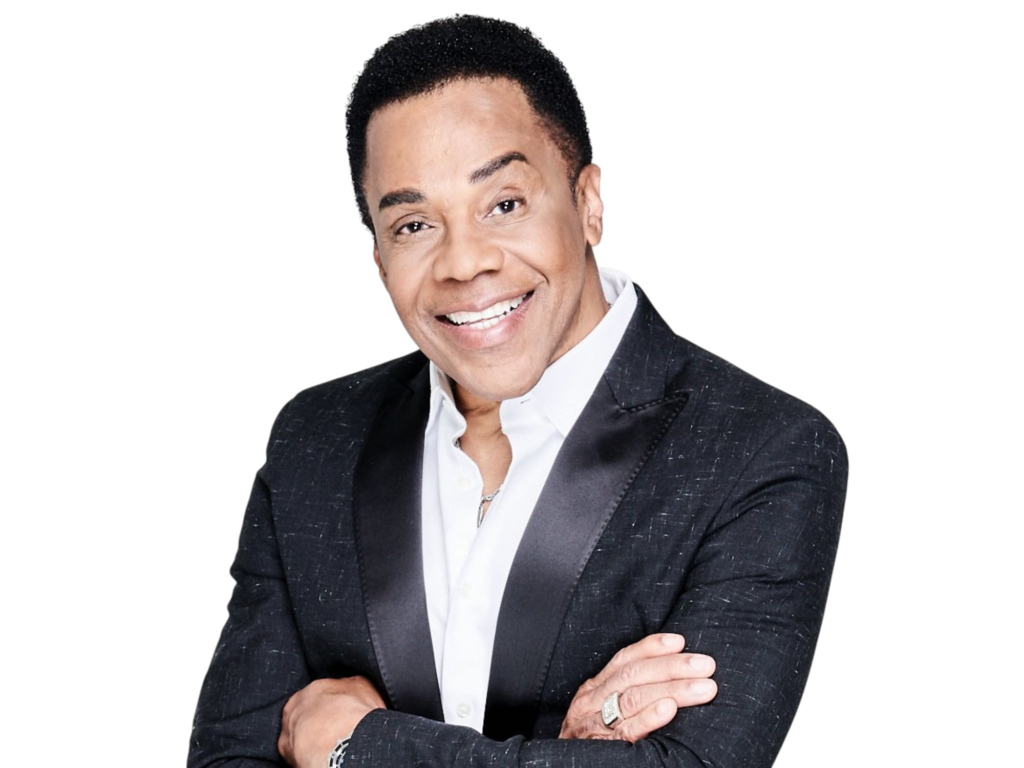
Earl “Biggy” Turner: The Original Master Designer
Few designers have had a greater impact on dancehall than Earl “Biggy” Turner.
Beginning in the late 1980s, Biggy became the designer behind many of dancehall’s most unforgettable looks. His client list reads like a who’s who of Jamaican music, including Shabba Ranks, Buju Banton, Beenie Man, Lady Saw, Garnett Silk, Pinchers, Red Dragon, Toots Hibbert and many others.
His designs blended military influences, bold colours, oversized silhouettes and custom embellishments, helping establish the larger-than-life image that became synonymous with dancehall throughout the 1990s. Biggy’s work demonstrated that Jamaican fashion could be every bit as creative and influential as the music itself.
The Ouch Crew Changed Women’s Fashion Forever
No discussion of dancehall fashion is complete without mentioning the legendary Ouch Crew.
During the 1990s, the all-female fashion collective became famous for pushing creative boundaries with custom-made PVC coats, transparent fabrics, metallic catsuits, mesh outfits and dramatic hairstyles. Every appearance was designed to turn heads.
Their fearless approach to fashion became part of dancehall folklore and was later showcased internationally through films such as Dancehall Queen and Belly. Their influence can still be seen today in Caribbean Carnival costumes, music videos and modern streetwear.
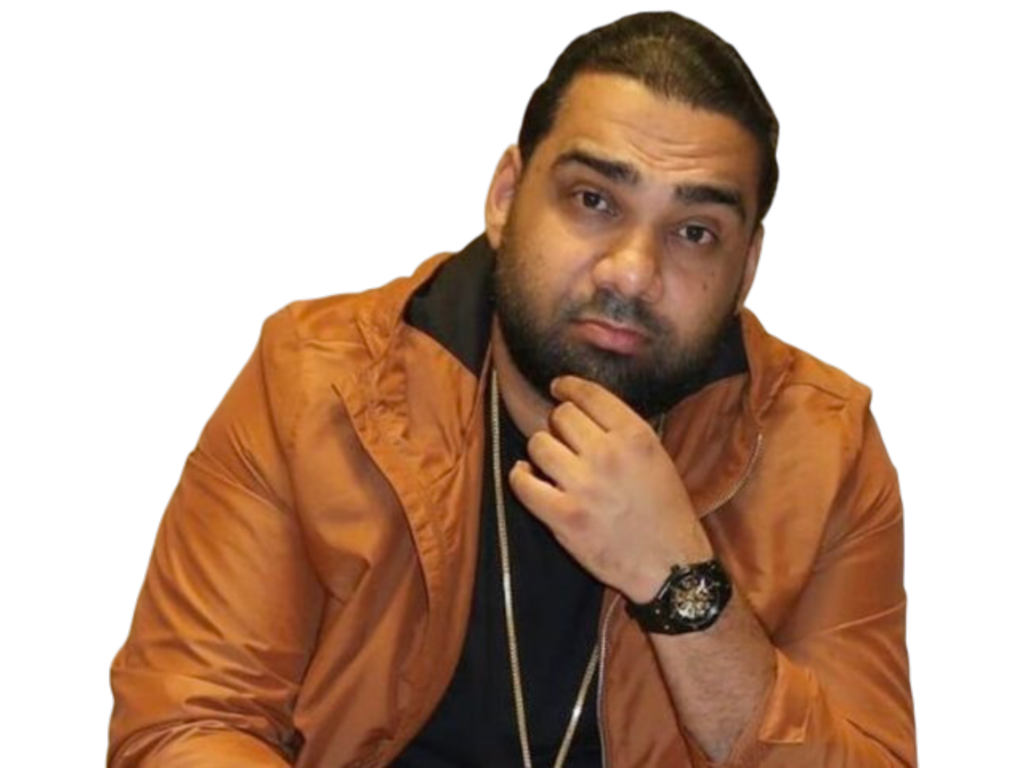
Romeich Major and the Modern Generation
As dancehall entered the 2000s, Romeich Major became one of Jamaica’s most influential fashion entrepreneurs through his brand, Romeich Wear.
Known for producing custom jackets, rhinestone designs and stage outfits, Romeich created pieces for numerous dancehall artists including Bounty Killer, Beenie Man, Aidonia, Konshens, Chino, Mavado and Tarrus Riley. His work helped bridge Kingston street fashion with commercial branding, eventually leading him into artist management and music production.
Although artists such as Vybz Kartel and Shenseea have worn Romeich designs at various times, both have also collaborated with multiple designers and stylists throughout their careers. Their fashion has evolved alongside changing trends, making it inaccurate to credit any single designer for defining their overall image.
Dancehall Meets High Fashion
The influence of dancehall now extends far beyond Jamaica.
International stylists and designers regularly draw inspiration from the genre’s fearless attitude, vibrant colours and body-conscious silhouettes.
Jamaican-born designer Rachel Scott, founder of the luxury fashion label Diotima, has earned international recognition for incorporating Caribbean craftsmanship into contemporary luxury fashion. Her work demonstrates how traditional Jamaican design techniques can successfully translate onto the world’s biggest fashion stages.
Fashion stylist Savannah Baker has also gained recognition for blending dancehall culture with high-fashion styling, working with a variety of musicians, celebrities and editorial campaigns that celebrate Caribbean creativity.
Jamaican Designers Continue to Shine
Today’s generation of Jamaican designers continues to dress dancehall’s biggest stars for concerts, award shows and international appearances.
Among them is Cavell Levac of Levac Designs, whose bespoke tailoring has been worn by artists including Beenie Man during major performances. Like many Jamaican designers, Levac represents the craftsmanship that continues to define the island’s fashion industry.
Rather than relying solely on luxury labels, many dancehall artists continue to commission custom-made pieces that reflect their individuality, keeping alive one of the genre’s oldest traditions.
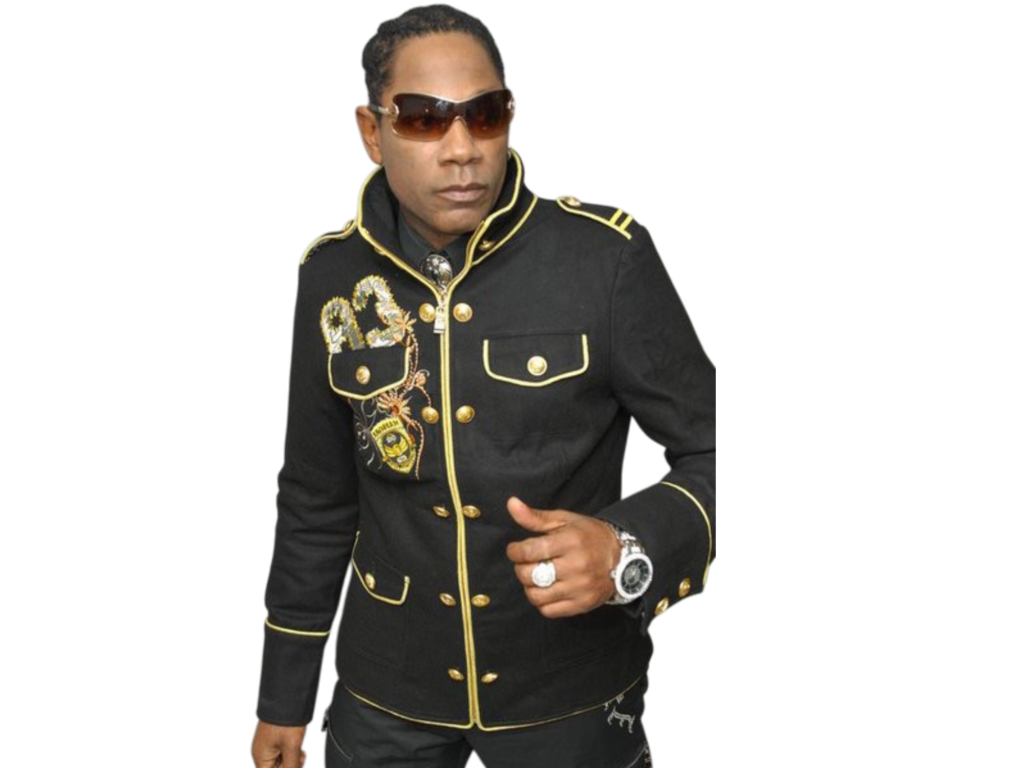
More Than Fashion—A Cultural Statement
Dancehall fashion has never simply been about expensive clothing.
It represents confidence, creativity, rebellion and self-expression. Every custom jacket, tailored suit, embellished bodysuit or handmade accessory tells a story about the artist wearing it.
Long before social media made fashion trends spread worldwide, Jamaica’s dancehall community was creating styles that would eventually inspire designers across Europe, North America and beyond.
Today, whether on a Kingston street corner, an international concert stage or a Paris runway, the influence of dancehall fashion continues to grow.
The music may capture the world’s attention first, but behind many of dancehall’s greatest icons stand the talented designers, tailors and stylists whose creativity helped shape one of the most visually distinctive cultures in modern music.
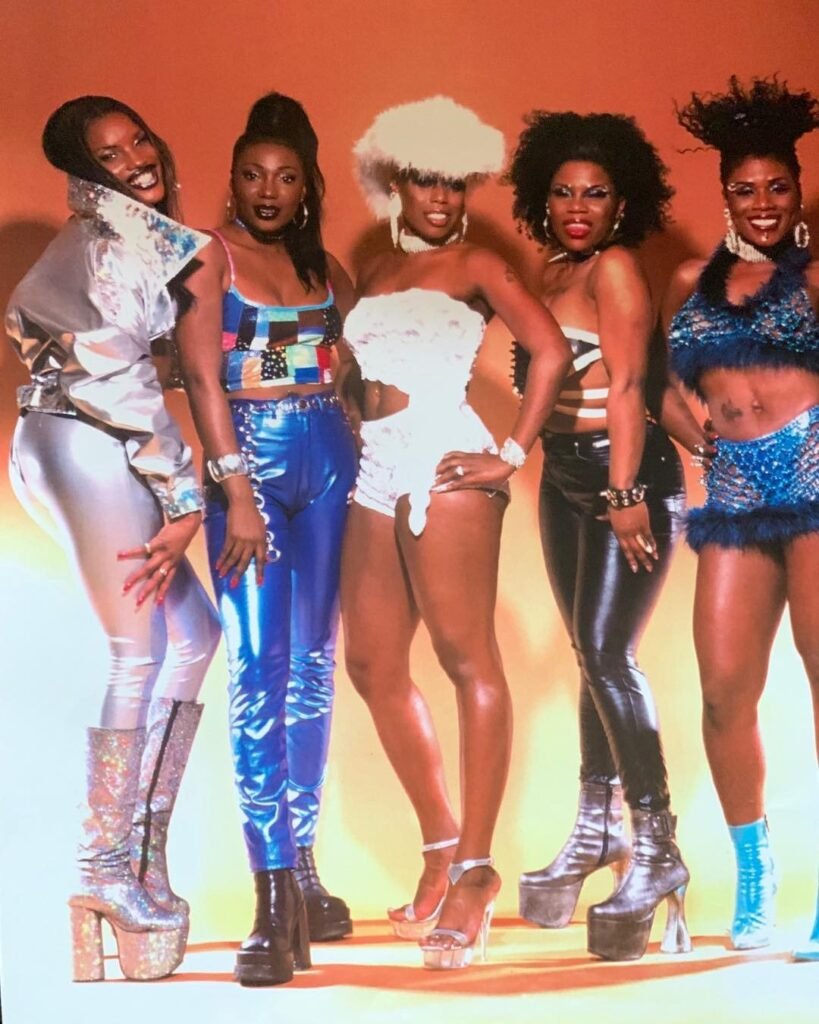
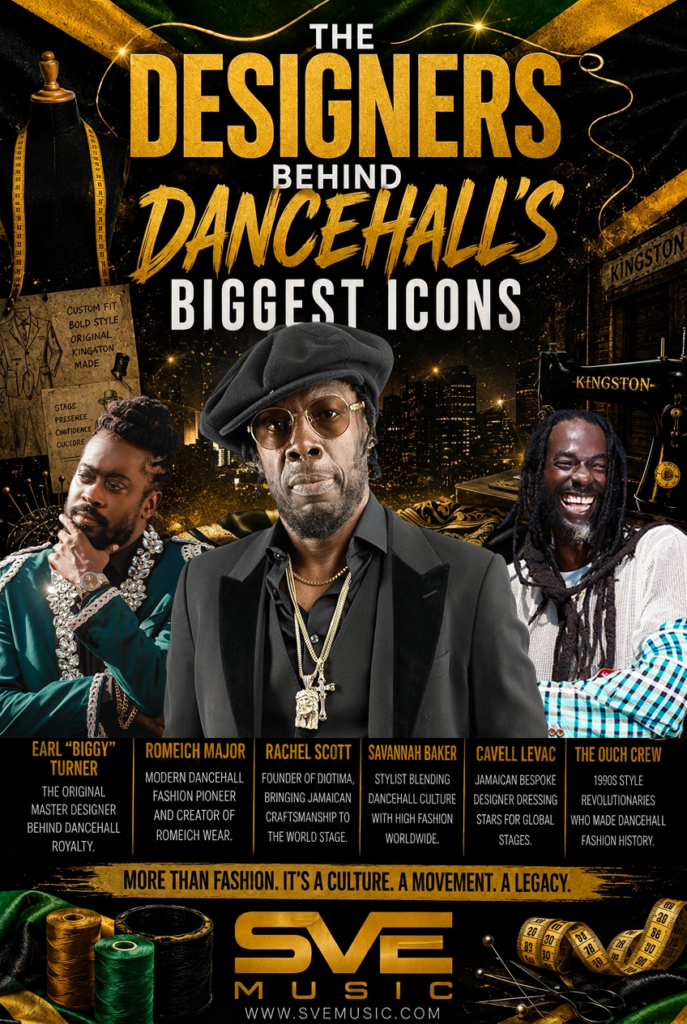
Photo Credit: SVE Music (poster artwork), with editorial content inspired by the history of Jamaican dancehall fashion and the contributions of designers including Earl “Biggy” Turner, Romeich Major, Rachel Scott, Savannah Baker, Cavell Levac and the pioneering Ouch Crew (Above).